

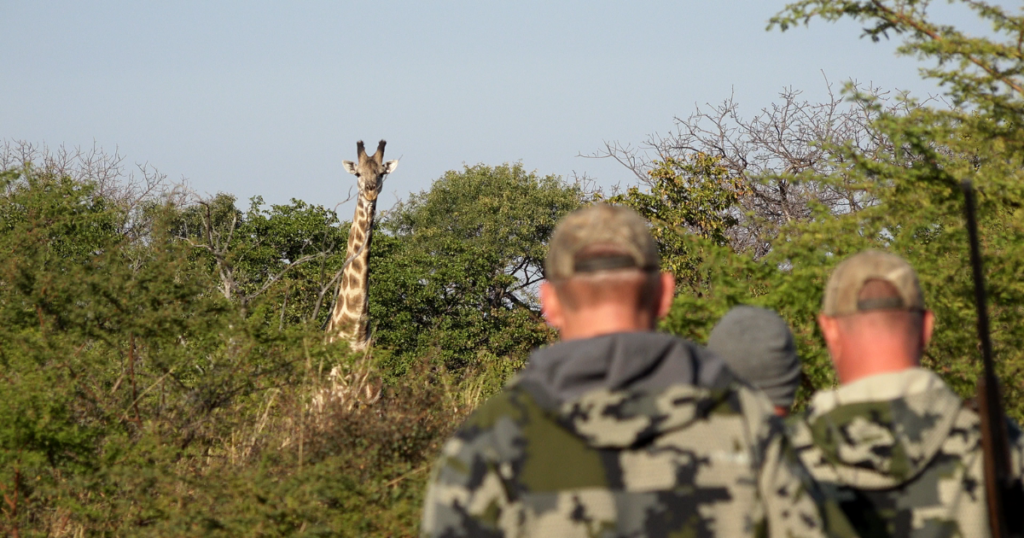
There’s a moment, somewhere between the long-haul flight and your first early morning in the bush, when the idea of an African hunting safari shifts from concept to reality. It’s exciting, undeniably so, but for a first-time visitor, it can also feel like stepping into the unknown. The choices alone can be overwhelming: countries, operators, species, rifles, logistics. Knowing where to begin is half the battle.
Most first-time hunters gravitate toward South Africa or Namibia, and for good reason. Both offer well-developed infrastructure and a wide range of plains game. But Zimbabwe deserves an equal place in that conversation. Here wildlife moves freely through large areas, presenting an exciting and immersive hunting experience.
Wherever you choose to go, a plains-game safari is the natural starting point. It allows you to take in all the new sights, sounds, terrain, tracking and way of hunting in a more relaxed manner. Build confidence in your learning curve and tackle dangerous game later!
Choosing the right operator is an important decision to make. A simple question is do they own the land or lease it, and if they lease it, how long is the lease period? Typically, landowners focus on the long-term whereas lease-holders may be bound by different parameters. Take the time to find out about this as well as property size and how game is managed. A fenced property is not necessarily a bad thing, especially if it is a large one.
Who will be your Guide (Professional Hunter or PH)? Do they operate frequently on the land you’ll be hunting on? This is a plus point as local knowledge can translate into a better hunt.
The terrain you will encounter on your hunt can allow shots of 100 yards up to 300 yards. It all depends on how thick the bush is or whether you are in open savannah. Check in with your operator, they’ll let you know whether or not a high-velocity rifle will work in their terrain.
What rifle to use? Typically, the rifle you use for white tail deer in the USA, or red deer in the EU, is sufficient. Most operators recommend calibres such as .308 or .30-06 for bigger game like kudu and wildebeest and a .223 or .270 for smaller game like Impala or warthog. Aim for soft-nosed (controlled expansion) bullets. With bow hunting focus on a minimum draw weight of 50lb using a fixed blade broadhead.
Travelling with firearms to Africa can be simpler than expected if you are prepared beforehand. Into Zimbabwe, one only needs to complete a single form on arrival, present your firearm for inspection and receive a temporary firearm import permit. However, getting to Zimbabwe can provide some hurdles so possibly the best thing to do for your first hunting trip to Africa, is to book your flights through a hunting-specialist travel agency. They will choose firearm friendly airlines, manage transit logistics and meet-and-greet services where needed.
Don’t want to travel with firearms? Just ask your safari operator whether they have rifles to hire. Generally they do, and it can save you a lot of logistical hassle.
What should you pack? Nearly every hunting camp provides laundry services and so bringing just 3 – 4 sets of clothing is plenty. Winter in Africa can be very cold in the early morning and yet warm up to t-shirt weather by midday. Pack layers that you can peel off and back on as the day progresses. Essentials to pack are comfortable well-worn hunting boots, good gaiters, quality binoculars, sunglasses and a hat. Sunscreen will also do you well – even in our winter.
Shot Placement on African Game is important to know! A highly recommended resource is The Perfect Shot by Kevin Robertson. You can purchase a handy pocket size copy on Amazon. Beyond this very useful book, practice and preparation are everything!
PRACTISE before you go on safari. This is more important than how new or amazing your gear is. Practice is not an optional piece of advice! It’s fundamental to a successful and ethical safari. Practice standing and kneeling using shooting sticks. If you are able, practice using natural rests such as tree branches. Regular practice builds muscle memory, fast decision-making and confidence under pressure. Practice also helps you understand your rifle better, how the bullet trajectory works over distance and wind drift. Your PH will be one happy person when you can demonstrate that you know how to handle your rifle!
Timing of your safari can shape the entire experience. Across southern Africa, the dry season from April through to September or October, is generally considered the best.
Then there’s the broader journey. If you’ve travelled all this way, it makes sense to see more of what the country has to offer. Whether it’s the quiet granite landscape of the Matopos or the energy of the Victoria Falls, adding a few days beyond the hunt can transform a trip into something far more complete. For those travelling with non-hunting companions, this balance becomes even more valuable, offering a shared experience that extends well beyond the hunt itself.
In the end, a first safari is as much about learning as it is about hunting. Take the time to prepare, choose carefully, and remain open to the experience. Africa has a way of exceeding expectations, often in ways you didn’t quite anticipate.